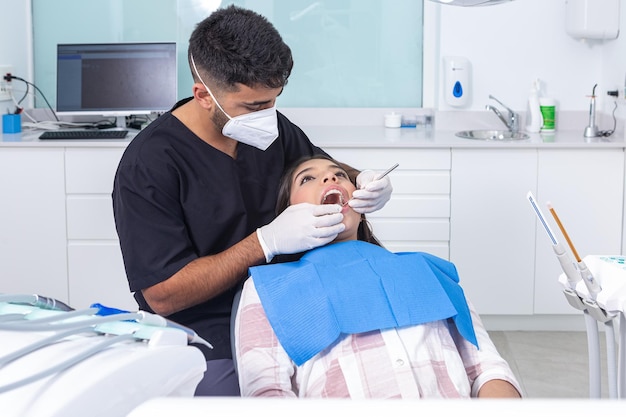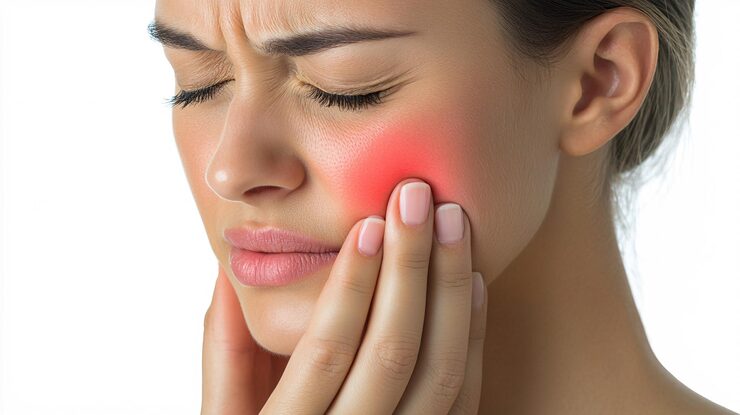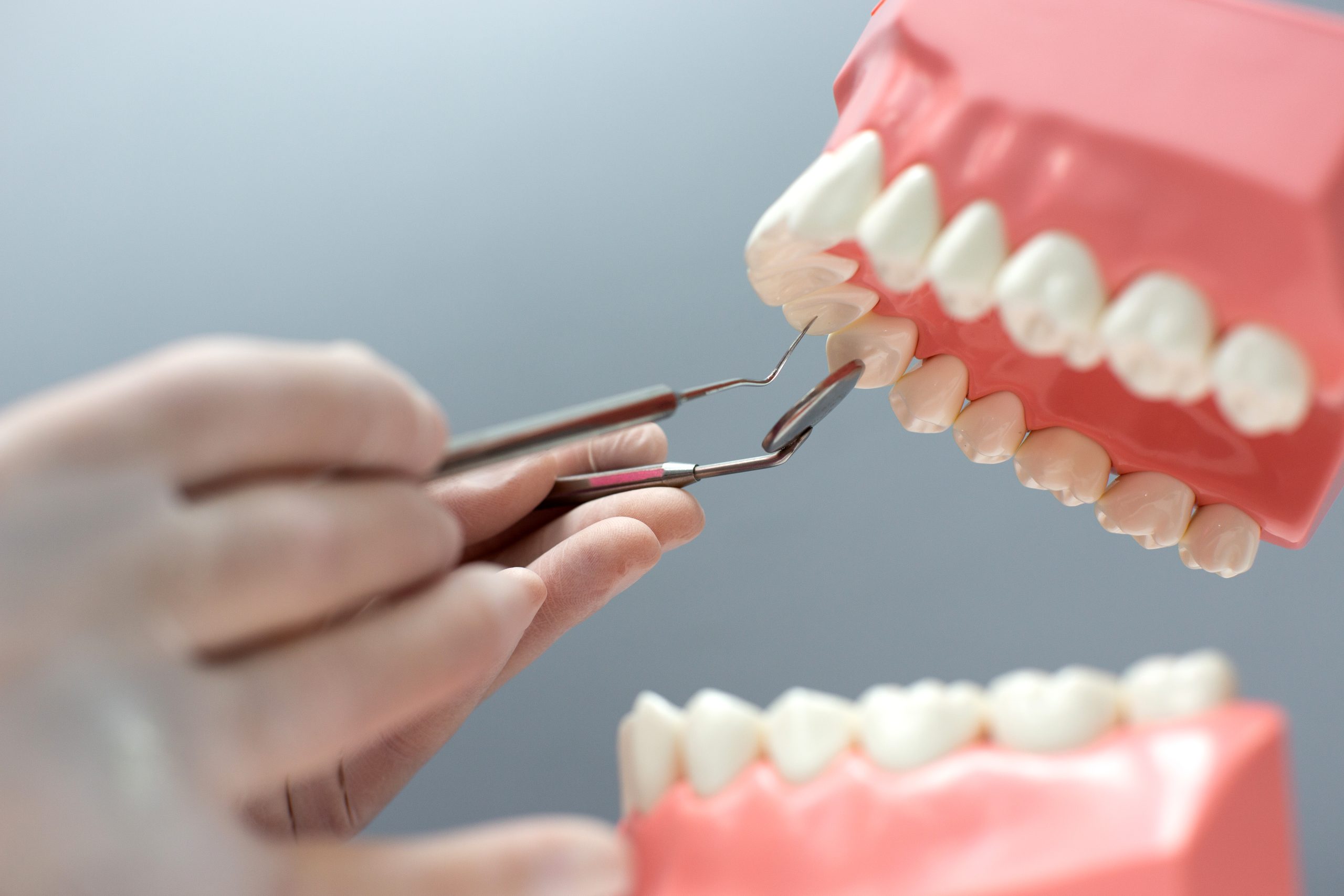

Maintaining a functional mouth is about more than just looking good in pictures. When a tooth breaks or a cavity forms, the way you eat, speak, and even breathe can change. Restorative dentistry is a specialized branch of dental care focused on rebuilding damaged areas to maintain the rest of the body’s health. Choosing quality restorative dentistry in West Coxsackie helps prevent small cracks or holes from developing into major infections that can affect your heart or brain health.
The Hidden Power of a Balanced Bite
Every tooth in your mouth plays a specific role in how you chew. When a single tooth is missing or damaged, the other teeth have to work twice as hard to pick up the slack. Over time, this extra stress can lead to jaw pain and even more broken teeth. Visiting a dental office in West Coxsackie allows a professional to check whether your bite is even and your jaw is aligned correctly.
- Digestion Support: Properly repaired teeth help you chew food into smaller pieces, making it easier for your stomach to digest nutrients.
- Speech Clarity: Teeth act as a wall for your tongue to bounce off of when making certain sounds like “S” or “T.”
- Face Structure: Teeth provide a foundation for your cheeks and lips; without them, the face can start to look saggy or aged.
Is Restorative Dentistry Right for You?
A common question that many patients ask is who needs restorative dentistry to keep their health on track. The truth is that dental damage can happen to anyone at any age. Whether it is a small child who fell on the playground or an adult with a deep cavity, repairs are essential for keeping the mouth germ-free.
- Athletes: People who play contact sports often need help fixing chips or cracks from minor injuries.
- Sugar Lovers: Anyone who has had a cavity needs a restoration to seal out bacteria.
- Seniors: Older adults often need to replace worn-down fillings that have lasted for several decades.
- Snackers: People who chew on ice or hard candy might accidentally fracture their enamel.
What Are the Types of Dental Restoration?
Dentists have a whole toolkit of ways to make your smile strong again. Depending on the size of the problem, they choose the material that best matches your natural tooth. Understanding what are the types of dental restoration helps you feel more prepared for your next appointment.
- Composite Fillings: These are made of a tooth-colored resin that bonds directly to the tooth, making it look like the cavity was never there.
- Protective Crowns: If a tooth is very weak, a crown acts like a helmet, covering the entire top part to prevent it from shattering.
- Bridges: This is a set of connected artificial teeth used to span the gap where one or more teeth are missing.
- Dental Implants: A tiny post is placed in the jaw to act as a permanent root for a single replacement tooth.
Risks and Benefits of Restorative Dentistry
Deciding to fix a tooth is a big step toward a healthier lifestyle. It is helpful to weigh the risks and benefits of restorative dentistry to see why most experts recommend these treatments.
The Main Benefits:
The biggest plus is that you can keep your natural teeth for much longer. Repairs also stop the “domino effect” where one bad tooth causes the teeth next to it to rot. Modern materials are also designed to be very biocompatible, meaning they work well with your body’s natural tissues.
Potential Risks:
Sometimes, after a tooth is shaped for a crown or filling, it might be sensitive to icy water for a week or two. There is also a small risk that a restoration could chip if you bite down on something hard, such as a peach pit or a metal pen. However, most restorations are built to be just as tough as real enamel.
Life After Dental Restoration
Once your smile is repaired, the goal is to keep it that way for the rest of your life. Even though a crown or an implant cannot get a cavity, the gums surrounding them are still alive and can get sick. Using a soft-bristled toothbrush and high-quality floss ensures that your new dental work stays clean and the bone underneath stays dense. A dentist will usually check your restorations during every six-month cleaning. They look for tiny cracks or leaks that might let sugar and bacteria get underneath the repair. Catching these minor issues early is the secret to making a crown or bridge last for twenty years or more.
Revitalize Your Smile with Coxsackie Dental Arts
Taking care of your dental health is one of the smartest things you can do for your future. At Coxsackie Dental Arts, we focus on providing durable, beautiful repairs so you can live your life without worrying about your teeth. Our expert team takes the time to explain every option so you can choose the path that fits your budget and your goals. Visit us to see how we can help you achieve a pain-free and fully functional smile. Contact our office today to schedule your exam and take the first step toward a healthier you.
Getting here is simple — just follow us on Google Maps for the best route. 📍
Frequently Asked Questions
Can I eat normally after getting a tooth fixed?
Most people can return to their favorite foods right away, although your dentist might suggest avoiding very sticky or hard foods for the first twenty-four hours to let the materials settle.
Do dental restorations feel different than real teeth?
Modern porcelain and resin are polished to feel exactly like your natural enamel, so your tongue likely will not notice a difference once the numbing medicine wears off.
Will insurance pay for my restorative work?
Many plans cover a large portion of fillings and crowns because these treatments are considered necessary for your overall health and to prevent more serious problems.
Is it possible for a filling to fall out?
While rare, a filling can come loose if the tooth sustains a new injury or a new cavity forms around its edges. If this happens, a dentist can easily replace it.